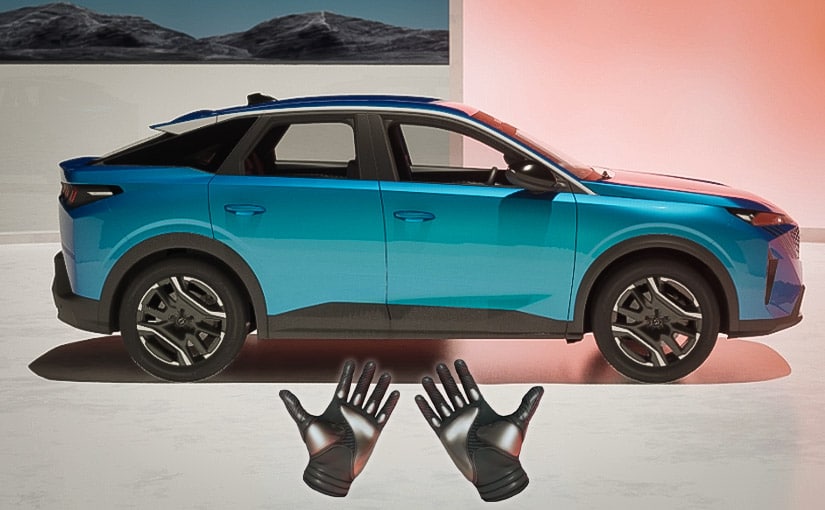
An immersive and interactive vehicle configurator developed in virtual reality, showcasing the Peugeot E-3008.
This project presents a real-time vehicle configurator for the Peugeot E-3008, set within a virtual environment. The user can interact with the vehicle and personalize key features including body paint, trim levels, and wheel types. while experiencing the car at full scale.
Design and production : Mohamad ITANI
Note of Intent
 The aim of this project is to create an immersive vehicle configurator experience in virtual reality. The central objective is to allow users to dynamically discover the configurations offered by Peugeot for their E-3008 in an immersive and interactive manner. In this virtual world, the user can navigate in the showroom and interact with the vehicle. This experience highlights the potential of VR configurators as a powerful tool for automotive applications, particularly in digital showrooms. Production file
Vehicle Preparation Methodology
Pre-Unreal Engine Import
The original 3D model of the vehicle was delivered in CAD format via Deltagen, which is not directly supported by Unreal Engine. In order to integrate the vehicle into Unreal Engine, the geometry had to be converted from surface-based CAD data to polygonal geometry using tessellation. The vehicle was carefully prepared using Autodesk Maya, ensuring no loss of data, including geometry, materials, and textures.

Post-Unreal Engine Import
The optimized vehicle model was imported into Unreal Engine using the Interchange Pipeline due to the intuitive control it gives over the build settings of the assets that are being imported. After import, the vehicle’s components were organized into modular Blueprints, allowing individual parts to be managed and controlled efficiently. Production file
Environment Building
The environment built around the vehicle is inspired by Peugeot’s visual branding and common industry practices for vehicle presentation.
- The environment features the iconic Bonneville Salt Flats background that is commonly used in automotive projects for its minimalistic and neutral tones.
- The showroom contains a large LED display, projecting a soft pink hue across the vehicle, giving it a contemporary showroom effect.
- It also has a glass wall that provides a 360° view of the Salt Flats background from within the showroom, making the environment appear more spacious.

Teaser & Gameplay
The cinematic teaser for this project was produced using Unreal Engine’s Sequencer. To achieve a higher visual fidelity than the VR experience, I employed the deferred shading pipeline and increased the resolution of shadows and reflections, and enabled Temporal Super Resolution (TSR) for enhanced anti-aliasing and image quality… The cinematic was rendered using the Movie Render Queue and subsequently composited in Adobe After Effects.